Beer bottle cap: which bin? Recycling explained simply
Beer bottle cap: which bin? In France, the yellow one, with metal packaging. Sorting rules, loose or grouped, and why the bottle goes to glass.
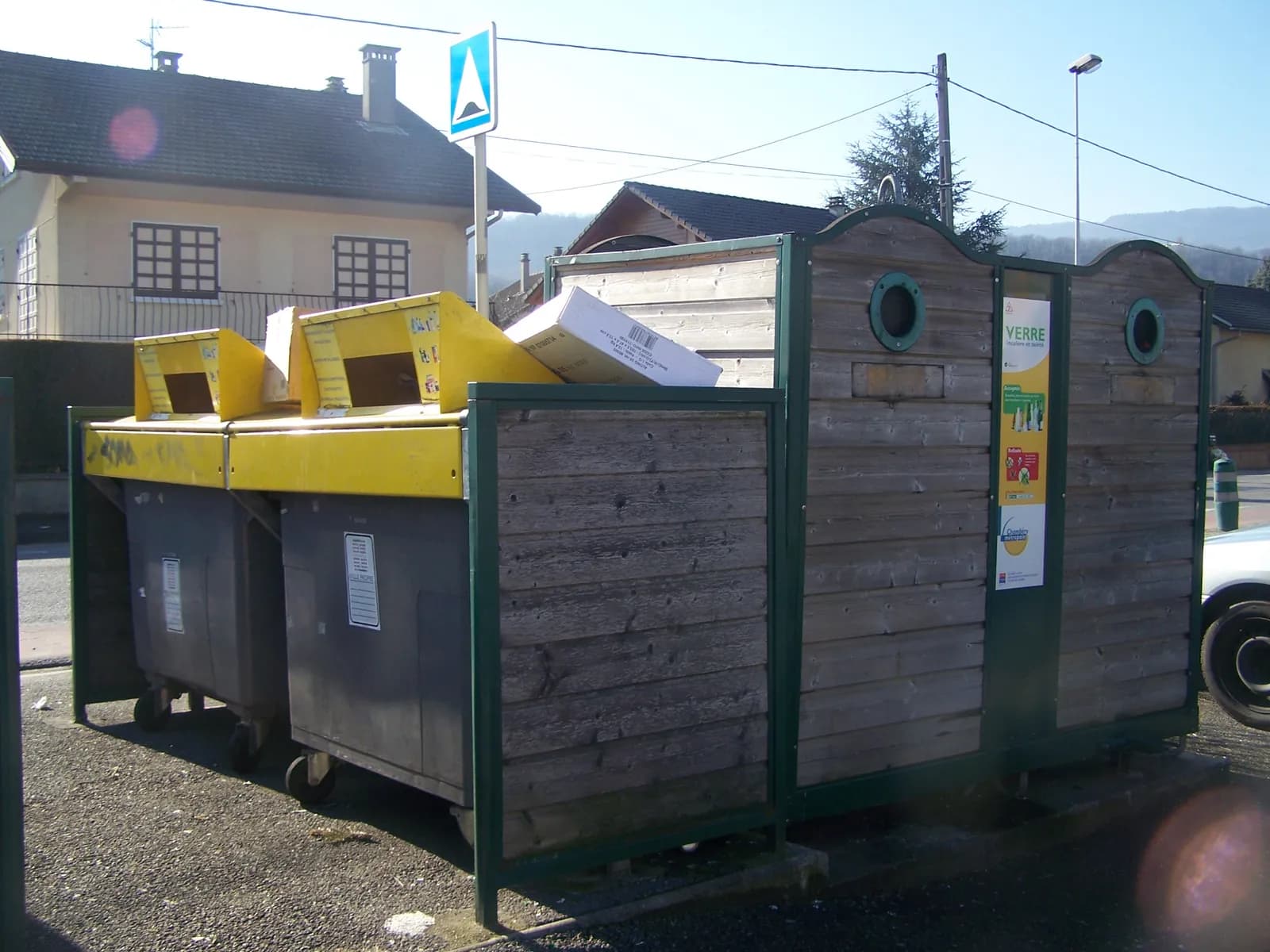
The beer is open, the cap is in your hand (or somewhere near the ceiling if you use a Beer Mortar). One question remains that few people ask until they're staring at the bin lid: beer bottle cap, which bin? Short answer, under French sorting rules: the yellow bin, with packaging. The longer answer is below, because a cap is small, and small objects have a tough time at sorting centres.
In short: a beer cap is metal packaging, so in France it goes in the yellow bin (sorting bin or bag, depending on your town). The empty bottle goes to glass, separately. No need to wash the cap. If your local authority says how to drop off small metal items (loose, grouped…), its rule applies.
Beer bottle cap: the yellow bin, and why
A beer cap closes a container, so it counts as packaging, just like a can or a food tin. The national rule promoted by Citeo, France's packaging recovery organisation, is simple: all packaging made of metal, plastic or cardboard, plus paper, goes in the yellow bin (Citeo).
Local authorities spell it out. The City of Paris lists bottle caps among the small metal packaging items for the yellow bin (Paris.fr sorting guide). The Seine-Eure conurbation also names caps in its list of metal packaging for the yellow bin (Agglo Seine-Eure).
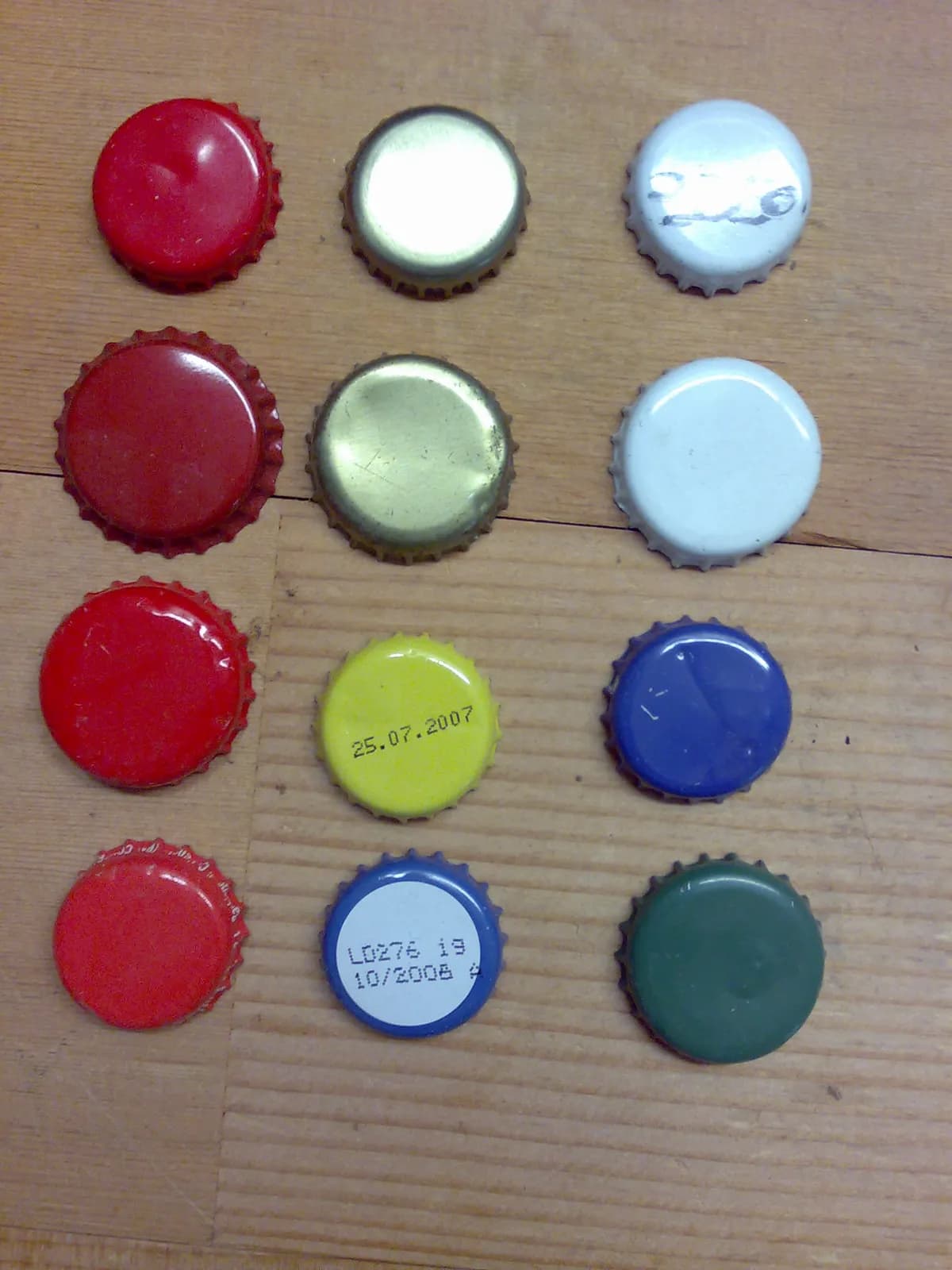
Cap in the yellow bin, bottle in the glass bin
The cap and the bottle don't travel together. In Paris, glass bottles go in the white bin or a glass bank, emptied but not rinsed (Paris.fr). The cap stays with metal packaging.
No need to wash the cap either. Citeo says so for all packaging: just empty it properly, there's no need to wash it at home (Citeo). A cap doesn't have much to empty anyway.
Loose or grouped? The real issue is size
A cap is only a few centimetres across, and that's where recycling gets tricky. A study on sorting small packaging, carried out by the consultancy Inddigo for OCAPEM, the body that coordinates France's household packaging recovery organisations (Citeo among them), and dated November 2025, found that capture of the 20-50 mm fraction is currently nil and those items end up rejected (OCAPEM study summary, in French). In plain terms: a very small item can slip through the machines. The study recommends equipment (magnets, eddy current separators) to catch more small steel and aluminium items.
So should you group your caps? It depends on where you live. Paris asks for packaging to be thrown away emptied and loose, not nested inside each other and not in a bag (Paris.fr). The rule to follow is your town's, which you can find by entering your postcode in Citeo's sorting guide or on your local authority's sorting leaflet.
At the sorting centre, metals are separated by magnets and optical sensors; steel then goes into new packaging or metal objects (Paris.fr, what happens to the yellow bin). Curious about yours? Hold a magnet to the cap: if it sticks, it's steel. Either way, it goes in the same bin.
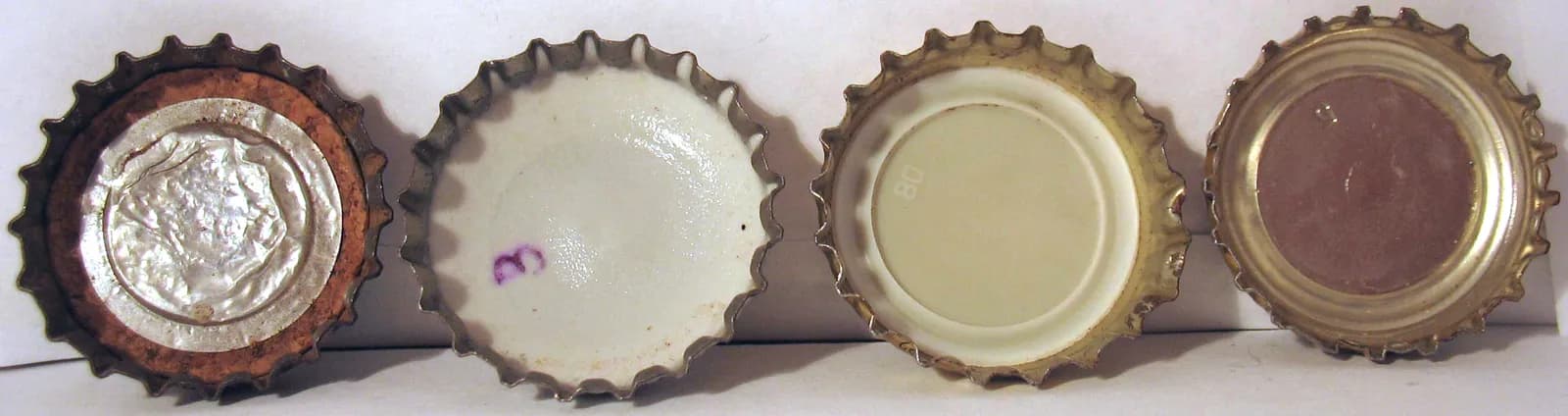
Before the bin: pick up the caps
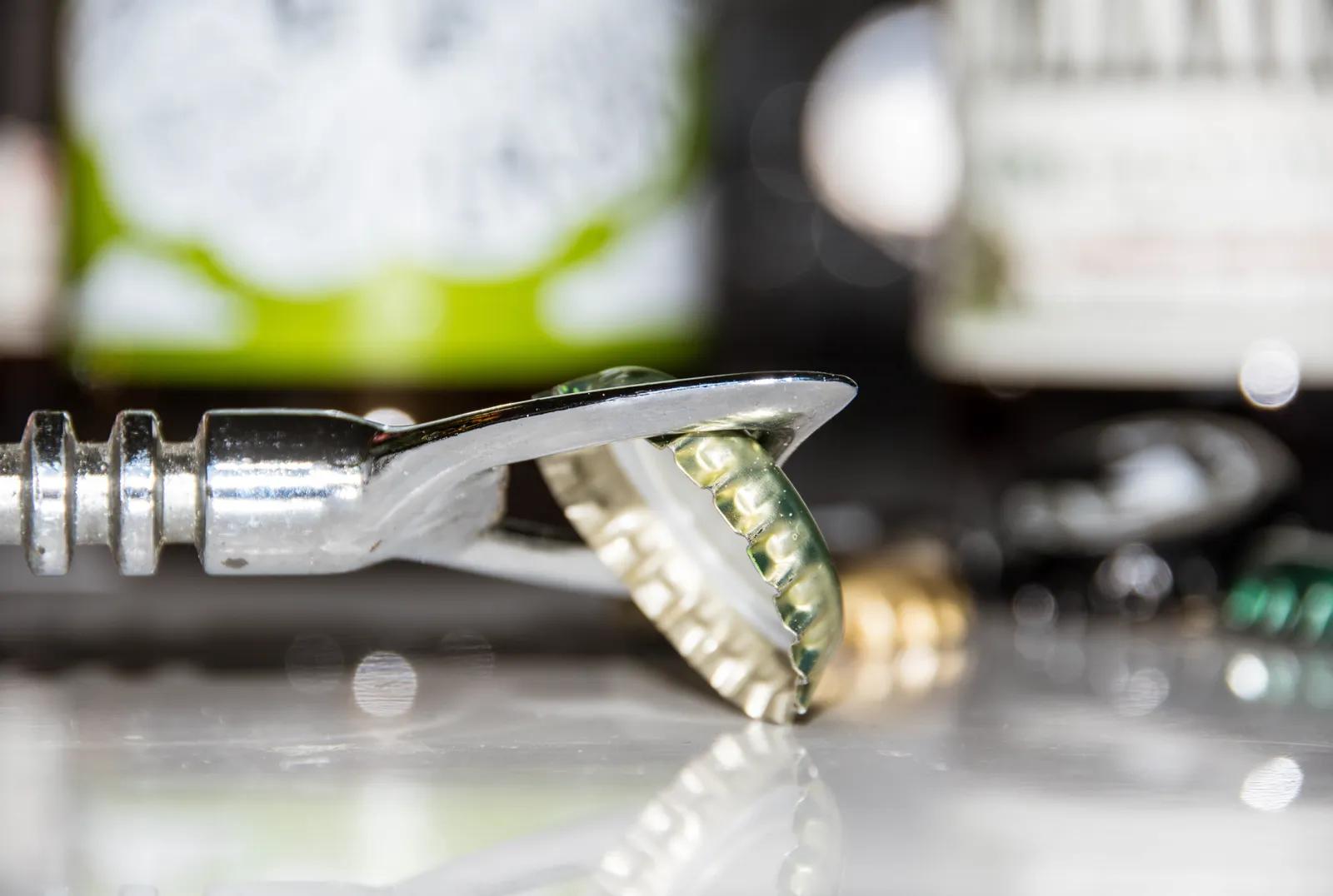
The best sorting in the world is useless if the cap ends up under the sofa. With a classic opener, it drops into your hand. With a wall-mounted opener, it falls underneath, which is why a catch tray helps (more in wall-mounted or tabletop bottle opener). With Le 19e Trou, the little articulated golfer putts the cap straight into the hole, as its product page describes: they all end up in one place, ready for sorting.
The Beer Mortar is anything but discreet: the cap takes off up to about 3 metres, and it's aimed at the sky, not the yellow bin. So plan a little cap hunt at the end of the evening. Never aim at a person, an animal or a screen, and keep the mortar out of children's reach. The crimped edges of a cap are sharp: pick them up before a bare foot or a paw finds them.
The rocket bottle opener: set it down, aim at the sky, PCHHHIT. Then pick up. Ships within 48h.
Discover the Beer MortarWhat if you kept them?
Recycling is the right default, but some caps can have a second life first. Coasters, magnets, a tray: the ideas and how to clean them are in what to do with beer bottle caps. And if the object intrigues you, its short history goes back more than a century. To pick the tool that pops them off, our bottle opener comparison reviews the different types.
Sorting your caps is no reason to pile them up. Keep water and alcohol-free drinks on the table. Selling alcohol to minors is prohibited in France. Alcohol abuse is dangerous for your health; please drink responsibly.
Frequently asked questions
Beer bottle cap: which bin?
In France, the yellow bin (sorting bin or bag), with other metal packaging. Citeo says all metal packaging goes in the yellow bin, and local authorities such as Paris explicitly list bottle caps.
Should I leave the cap on the bottle when it goes to glass?
No: the bottle goes to glass, the cap to the yellow bin. Once the beer is open, the cap is already separate; just don't drop it into the glass bank with the bottle.
Do caps need washing before sorting?
No. Citeo only asks for packaging to be emptied properly, not washed. If you keep caps for a craft project, though, clean them so they don't stay sticky.
Should caps go in loose or grouped?
Follow your town's rule. Paris asks for packaging emptied, loose, not nested and not in a bag. Citeo's sorting guide gives the local rule from your postcode.
Do beer caps really get recycled?
They're meant to: metals from the yellow bin are separated by magnets and optical sensors, and steel goes into new packaging or objects. Their small size makes them harder to capture at sorting centres, which is why following the local rule matters.
Does the Beer Mortar launch the cap into the bin?
No, it launches it skywards, up to about 3 metres: picking it up is your job. Never aim at a person, an animal or a screen. MortierBière orders ship within 48h; delivery time then depends on the carrier.