Bottle opener on a plane: can it go in your carry-on?
Bottle opener in carry-on luggage: what the EU regulation says, who decides at security, the cases that cause trouble (blades, gun shapes), when to check it.
The suitcase is packed, the cabin bag too, and the bottle opener from your keyring is rattling around in the front pocket. A fair question before security: can a bottle opener go in your carry-on? The short answer: it isn't on the prohibited list, but it's not your call. Here's what the EU text says, what can make a security officer hesitate, and how to travel without leaving your favourite opener in the confiscated-items bin.
In short: bottle openers are not on the EU list of articles prohibited in the cabin. But an opener with a blade, shaped like a weapon or that launches something can fall into one of that list's categories, and the security officer always has the final say. If in doubt, put it in your checked bag: the list of articles prohibited in hold baggage only covers explosives and incendiary devices.
What the EU regulation says about the cabin
For flights departing from the European Union, the list of articles passengers may not take into security restricted areas or on board is set by Attachment 4-C of Implementing Regulation (EU) 2015/1998 (extract published by the Swedish Transport Agency). The French transport ministry states that these rules apply to all flights departing from French airports, and more broadly from the EU, Switzerland, Norway and Iceland, whatever the airline (ecologie.gouv.fr, in French).
The words "bottle opener" don't appear in it. The list works by category, with examples. Four of them can apply to an opener:
- Objects with a sharp point or sharp edge capable of causing serious injury: the list names box cutters, razor blades and knives with blades of more than 6 cm, among others.
- Workmen's tools: tools with a blade or shaft of more than 6 cm that can be used as a weapon, such as screwdrivers.
- Guns, firearms and other devices that discharge projectiles, including toy guns, replicas and imitation firearms capable of being mistaken for real weapons.
- Blunt instruments: objects that can cause serious injury when used to hit.
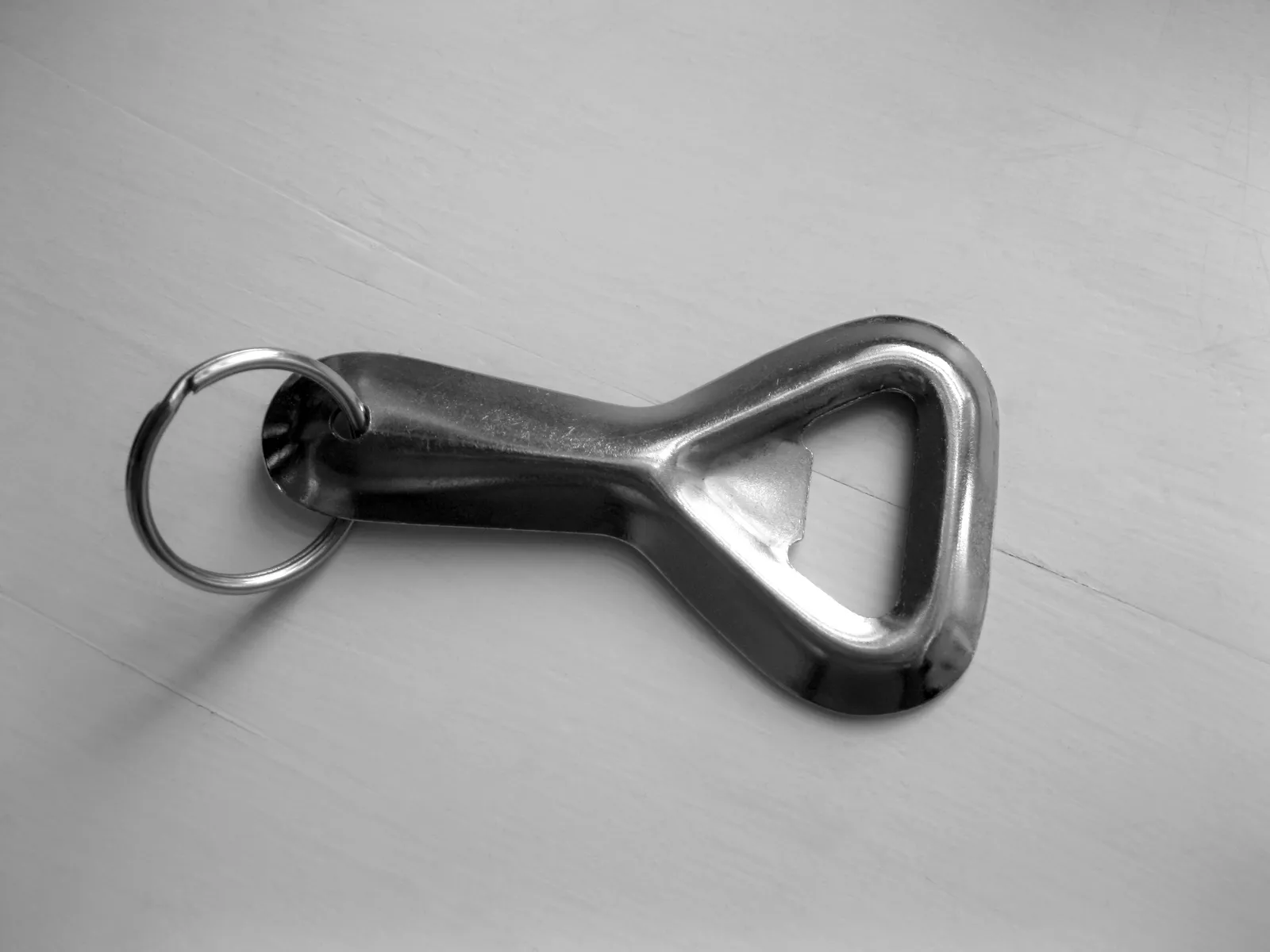
A flat opener with no blade, about the size of a key, matches none of these examples. That still doesn't guarantee it gets through security.
At security, the officer has the final say
The ministry is clear on this: for security measures, the final decision on whether an item may go into the departure lounge always rests with the security officers, and it overrides general information whenever there is doubt (ecologie.gouv.fr). The same page reminds travellers that airlines can be stricter than the regulation, and that their rules should be checked, for each airline on a connecting journey.
For a first check, France's civil aviation authority (DGAC) offers the Airbag app, which lists items prohibited or restricted on departures from France. It doesn't replace the airline's information, the ministry adds. And if an item is refused at security, the least that happens is confiscation: that's the only real risk for a bottle opener, but losing a gift or a souvenir is never fun.
Bottle openers likely to get stopped
It all depends on what surrounds the part that opens the bottle. Here are the cases where we'd advise against trying the cabin:
- Openers with a blade: pocket multi-tool knives, waiter's friends with their small foil-cutting blade, multi-tools. The list covers knives with blades over 6 cm; a shorter blade isn't named, but the officer may judge the item sharp and refuse it.
- Gun-shaped openers, like our Capgun: imitation firearms capable of being mistaken for real weapons are prohibited in the cabin, and the ministry points out that imitations (toys, for example) are too. No point debating it at the scanner.
- Openers that launch the cap, like the Beer Mortar, whose cap takes off up to about 3 metres according to its product page. The "devices that discharge projectiles" category covers anything capable, or appearing capable, of causing injury with a projectile. We can't know how each officer will classify it, so we don't promise it in the cabin.
- Large solid-metal or long-handled openers, which can look like a tool or a blunt instrument.
To see what goes on inside a spring-loaded opener, we've explained how the Beer Mortar works and how a gun-shaped bottle opener works.
Checked baggage: the simple answer when in doubt
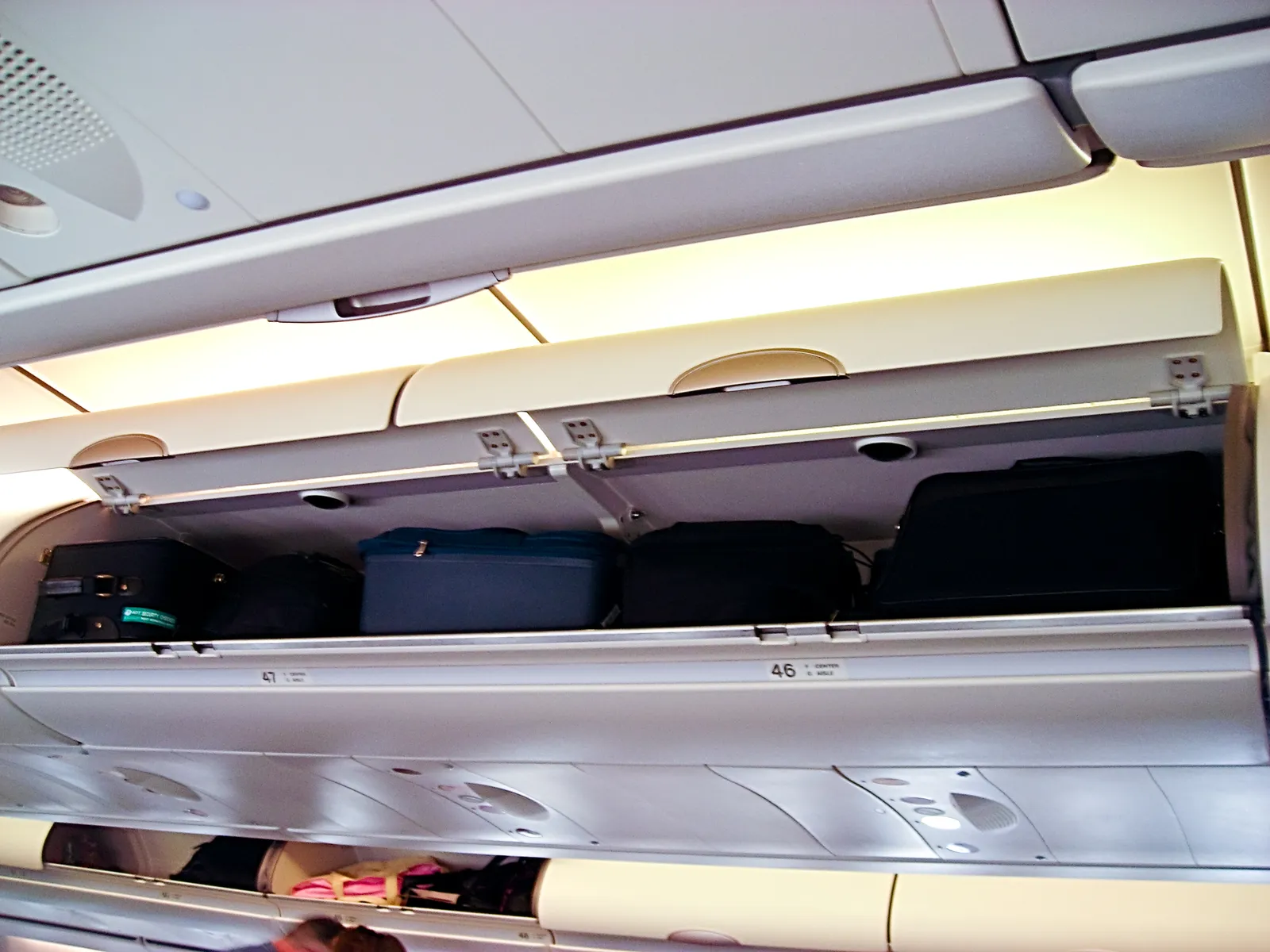
The EU list of articles prohibited in hold baggage (Attachment 5-B of the same regulation) only covers explosive or incendiary substances and devices: ammunition, detonators, fireworks and the like (same extract). A bottle opener isn't one of them. The ministry puts it its own way: blunt or sharp objects, prohibited or restricted in the cabin, should go in checked baggage.
In practice: pack the opener in your checked suitcase, in a pouch or a closed pocket so it doesn't wander about. If the airline makes you check your cabin bag for lack of space, the opener is no problem; it's lithium batteries and e-cigarettes, prohibited in the hold, that you then need to take out of the bag and keep with you, as the DGAC reminds travellers.
What about other countries?
The rules above cover departures from the European Union, Switzerland, Norway and Iceland. For a return flight from another country, the rules of the departure country and of the airline apply: check them before you go, and keep the checked-bag habit.
As for the beer itself, it follows the cabin liquids rule: containers under 100 ml in a clear bag of one litre at most, except duty-free purchases in a sealed bag (ecologie.gouv.fr). A 330 ml bottle doesn't fit that description.
Travelling light: the keyring opener
If you're after an opener for weekends and holidays, go for a compact model with no blade. The Capblast is described on its product page as compact and light, to slip into a pocket or clip onto a keyring, and compatible with standard caps. As with all our openers, we don't promise it will get through security: when flying, put it in your checked bag. To choose between pocket models, our keyring bottle opener guide compares shapes and materials. And if you've left it at home, opening a beer without a bottle opener is still possible, with a bit of method.
To give an opener to someone who lives far away, there's no need to fly it in your luggage: have it delivered straight to their door.
Compact, light, it clips onto a keyring. Free shipping in mainland France, ships within 48h.
Discover the CapblastOn holiday as anywhere else, keep water and alcohol-free drinks available. Selling alcohol to minors is prohibited in France. Alcohol abuse is dangerous for your health; please drink responsibly.
Frequently asked questions
Is a bottle opener allowed in carry-on luggage?
Bottle openers are not on the EU list of articles prohibited in the cabin (Attachment 4-C of Regulation 2015/1998). A flat model with no blade matches none of its categories. But the security officer has the final say whenever there's doubt, and the airline may be stricter.
Can I put a bottle opener in checked baggage?
Yes. The EU list of articles prohibited in hold baggage only covers explosives and incendiary devices. Pack it in a pouch or a closed pocket of your checked suitcase.
What about a waiter's friend or a pocket knife with an opener?
The list prohibits knives with blades over 6 cm in the cabin. A shorter blade isn't named, but the officer may refuse an item they consider sharp. To avoid confiscation, put it in your checked bag.
Can a gun-shaped bottle opener go in the cabin?
Toy guns, replicas and imitation firearms capable of being mistaken for real weapons are prohibited in the cabin. A gun-shaped opener, like the Capgun, travels in the hold.
Can the Beer Mortar go in the cabin?
We don't promise it: it launches the cap up to about 3 metres, and the EU list covers devices that discharge projectiles. The decision belongs to the security officer. Put it in your checked bag.
Where can I check before I fly?
On the French transport ministry's page on items restricted or prohibited on planes, in the DGAC's Airbag app, and in your airline's conditions, for each flight if you have a connection.