Beer bottle cap diameter: the standard size explained
Beer bottle cap diameter: 26 mm by standard, about 32 mm measured across the top. Standard dimensions, 21 teeth, closures it excludes and compatible openers.
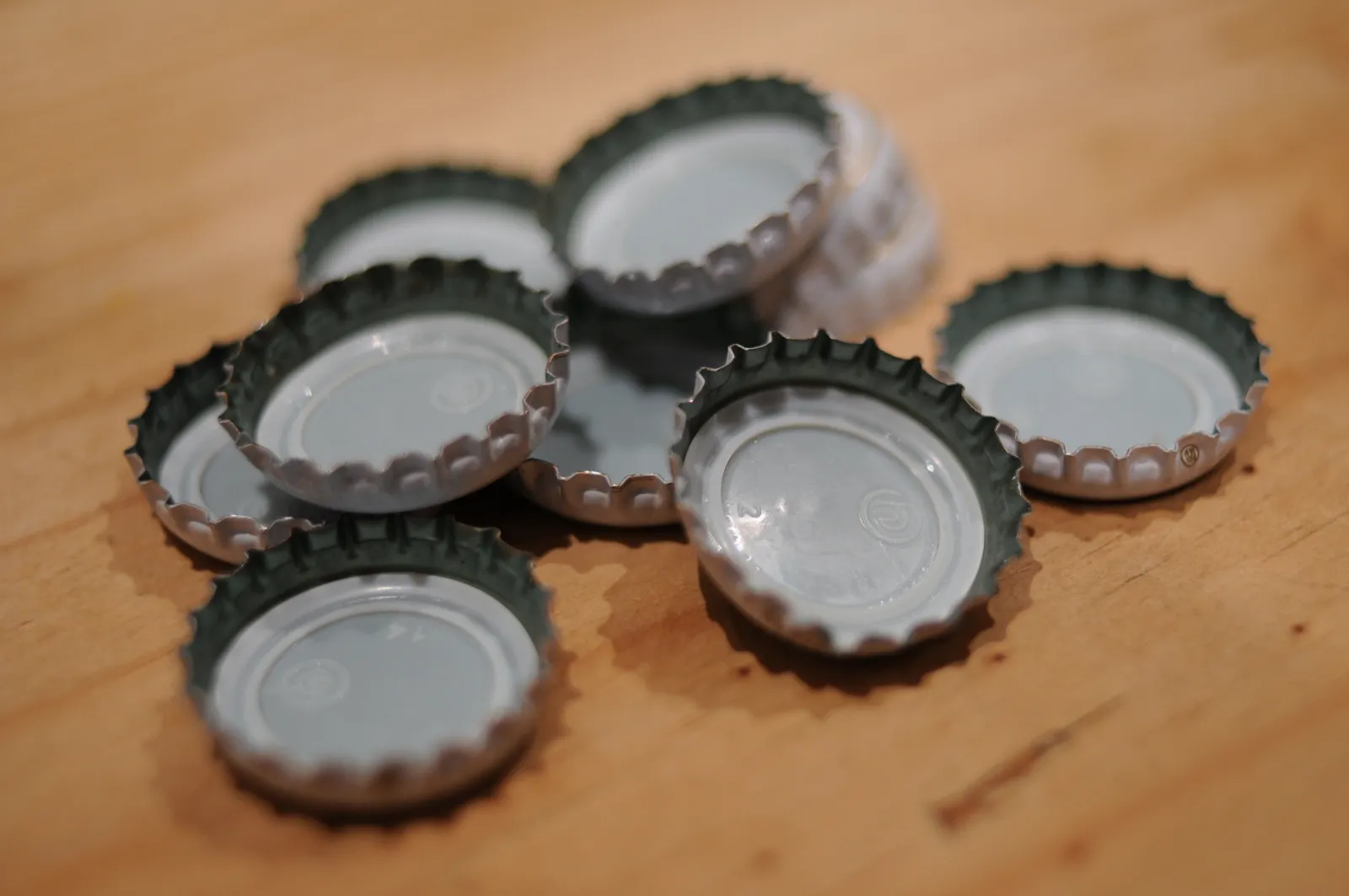
The diameter of a beer bottle cap is 26 mm by standard: that is the size in the name of the crown cap standardised in Europe, the toothed metal cap on glass beer bottles. Yet if you hold a ruler against a cap, you will read something closer to 32 mm. Nothing is wrong: the two numbers do not measure the same thing. This guide covers the dimensions of a standard crown cap, why it has 21 teeth, how to recognise one, and which bottle openers take it.
In short: the standard crown cap is designated 26 mm, with an inside diameter of 26.75 mm, an outside diameter of about 32 mm, a height of 6 mm and 21 teeth. It fits standardised bottle necks whose names also start with "26". Swing tops, plastic screw caps and corks are not crown caps: a bottle opener is no use on them.
What is the diameter of a beer bottle cap?
The reference size is 26 mm. In Europe, the crown cap that fits standardised glass bottle necks is described by standard EN 17177, whose German title reads "Kronenverschluss mit einem Durchmesser von 26 mm und einer Höhe von 6 mm", meaning a crown cap 26 mm in diameter and 6 mm high (German Wikipedia, Kronkorken, citing DIN EN 17177:2020).
The same Wikipedia article lists the dimensions from that standard:
- inside diameter: 26.75 mm (+0.15 / −0.00 mm);
- outside diameter: 32.10 mm (± 0.20 mm);
- height: 6.00 mm (± 0.15 mm);
- sheet thickness: 0.20 mm (± 0.02 mm).
A cap weighs about 2.2 grams and normally has 21 teeth, again according to Wikipedia. Inside, a polyethylene liner makes the seal: that is what keeps the carbonation in the bottle.
Why your ruler says 32 mm, not 26
The 26 mm in the standard's name matches neither of the two measurements you can take on the cap itself: 26.75 mm inside, 32.10 mm outside. It is a designation, and it also appears in the names of the glass bottle necks made for this cap: "26 H 180" (ISO 12821) and "26 H 126" (ISO 12822), according to the same Wikipedia article.
In practice:
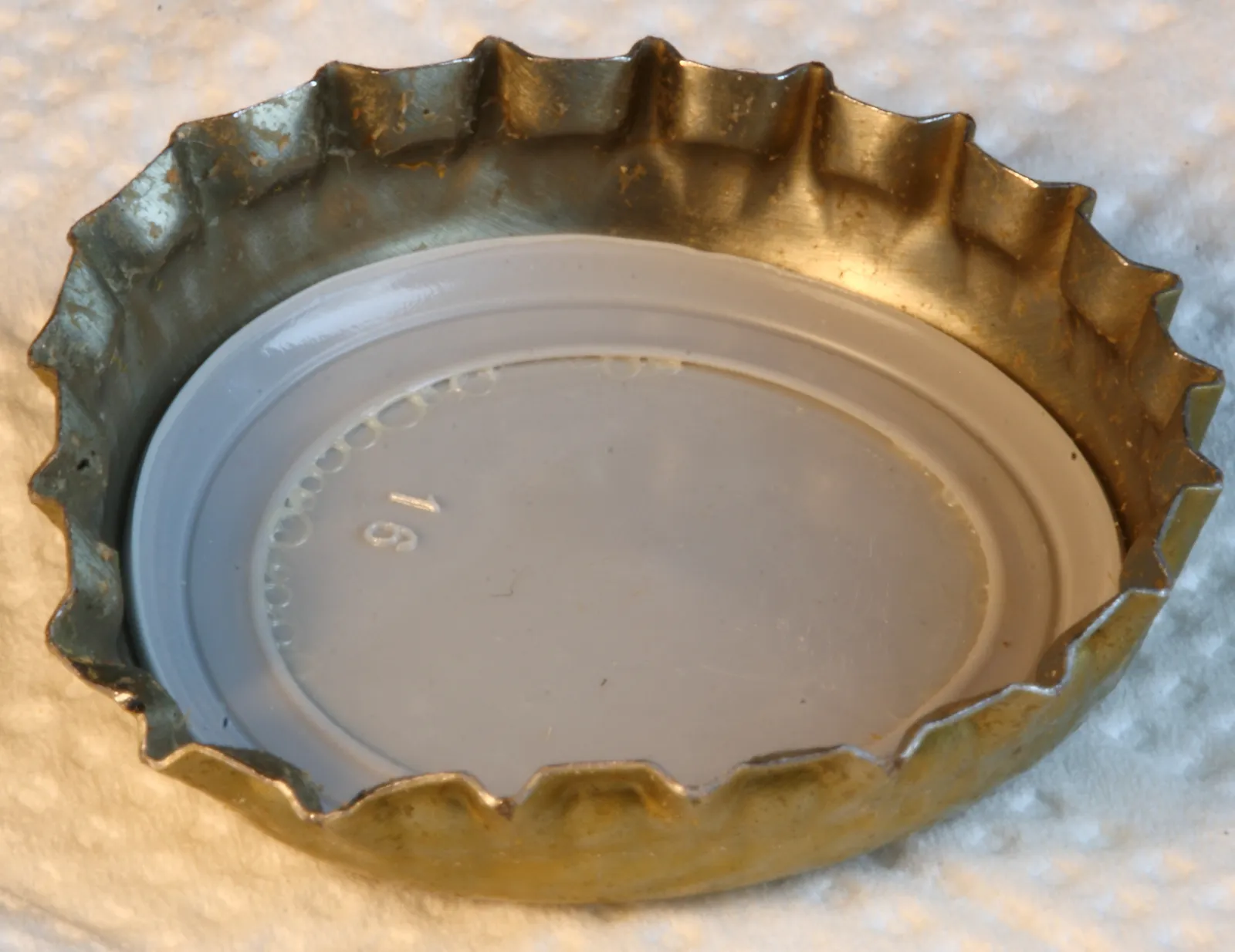
- measured across the top, teeth included, a new cap is about 32 mm;
- measured inside, where it sits over the bottle neck, it is just under 27 mm;
- a cap that has already been opened no longer gives a reliable reading: the opener has bent part of the skirt, as in the photo above.
If you are measuring caps for a craft project, a bottle cap wall art piece or a storage box, go by the outside diameter, around 32 mm, and leave a little room for bent caps.
21 teeth: why an odd number
The first crown cap, patented by William Painter in 1892, had 24 teeth; today's version has 21 (English Wikipedia, Bottle cap). The German article gives two reasons for the change: bottle necks got narrower, and an odd number of teeth makes caps feed more reliably into capping machines. With an even number, two teeth sit exactly opposite each other and the cap jams more easily.
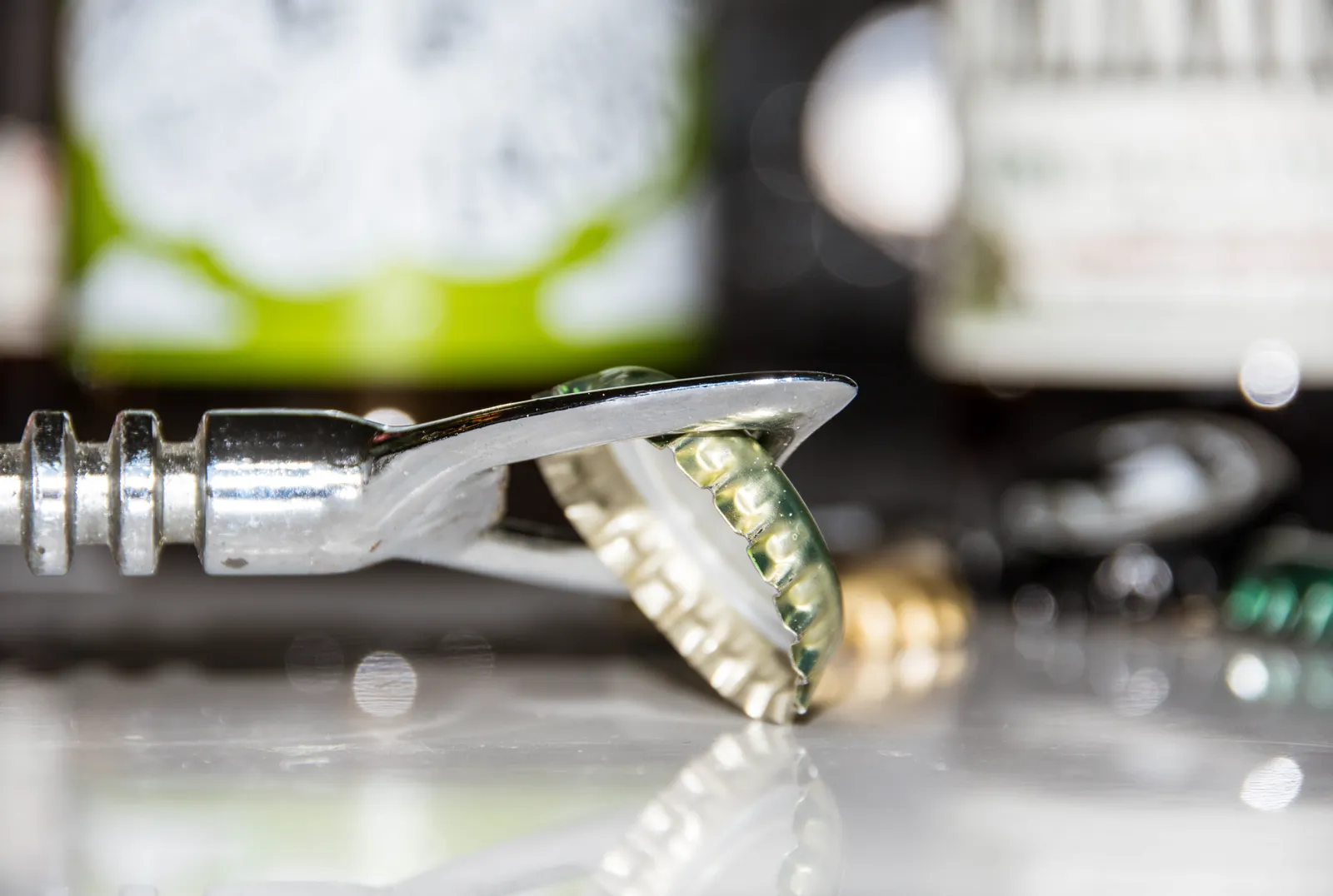
When a bottle is capped, the machine crimps the teeth under the lip of the neck, and that grip holds the cap in place against the pressure. A bottle opener does the reverse: it hooks a few teeth on one side and pushes down on the top to bend the metal. For the full story, from Painter to collectors, see our article on the history of the beer bottle cap.
How to recognise a standard crown cap
A standard crown cap has three tell-tale features:
- 1it is metal, with a fluted skirt all the way round;
- 2it is crimped on: you cannot twist it off by hand;
- 3it needs a tool to open, whether a classic opener, a lever or an opener that launches the cap.
Two variants look similar but open by hand:
- the twist-off crown: a crown cap pressed onto a threaded neck, which unscrews without a tool. Wikipedia notes it is used in the United States, Canada and Australia;
- the pull-tab cap: it has no teeth, and you pull an integrated tab to remove it.
For a twist-off crown, skip the opener and simply twist.
Bottles this does not apply to
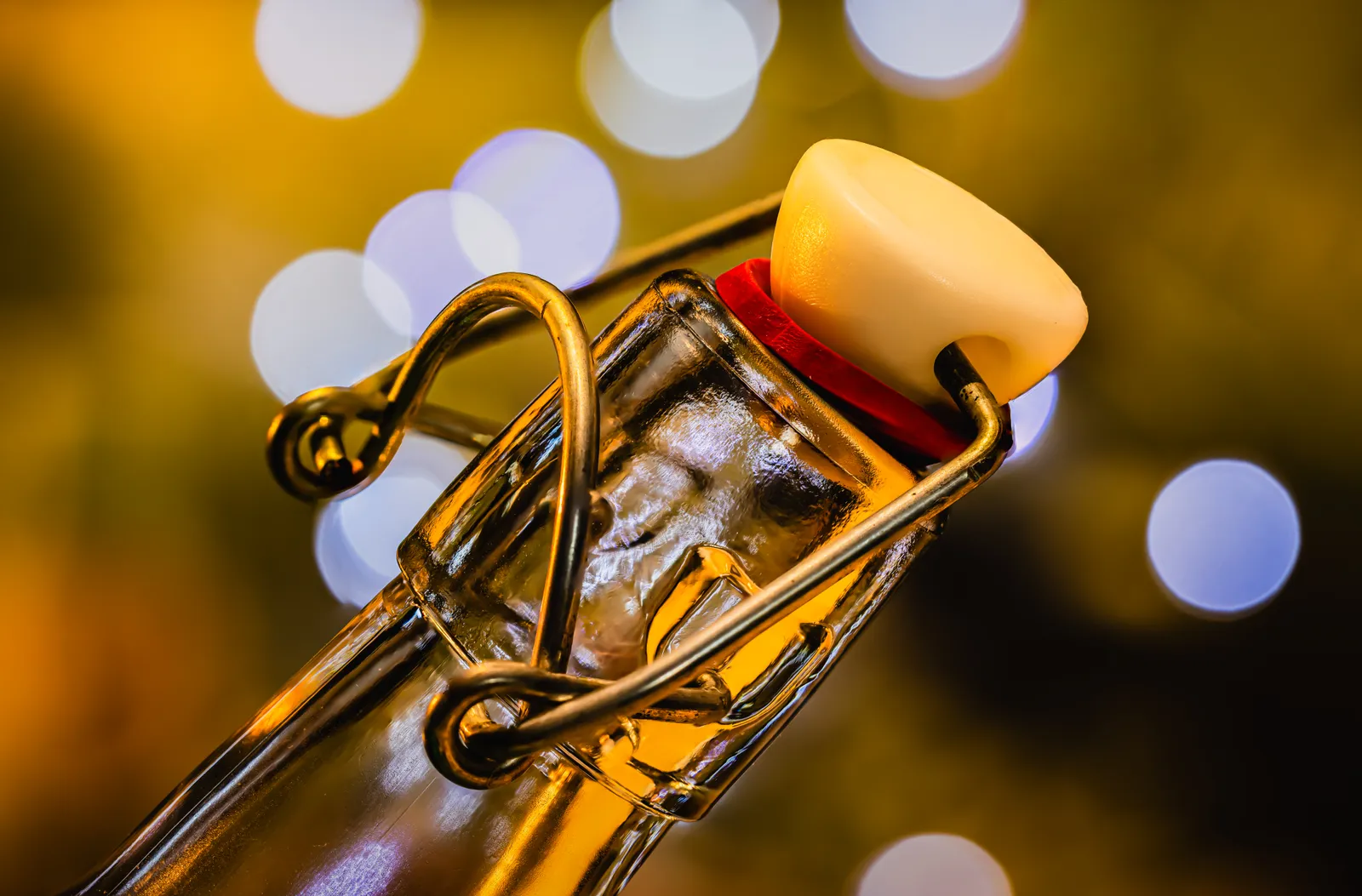
Not every beer is sealed with a crown cap. No bottle opener, whatever its shape, is made for:
- the swing top (the metal wire bail with its ceramic or plastic stopper), which opens by flipping the bail;
- the plastic screw cap;
- the cork;
- the can, which opens with its ring pull.
If you are facing a crown cap with no tool at hand, our article on how to open a beer without a bottle opener runs through the fallback methods.
Which bottle opener for which cap?
Our openers are made for the standard metal crown cap. Here is what each product page states:
- **the Mortier à Bière**: compatible with "standard metal caps";
- **the Capgun**: standard caps, from 33 cl bottles and 355 ml US bottles;
- **the Capblast**: standard caps, 330 ml and 355 ml US bottles;
- Le 19e Trou**: standard caps from 33 cl and 25 cl bottles.
The product pages talk in bottle sizes rather than millimetres. For a bottle of another size, check the product page. Our bottle opener comparison puts the different types side by side, and the guide on how to use a bottle opener explains the right technique for each.
With a model that launches the cap, size changes nothing about the precautions: aim at the sky or at an empty area, never at a person, an animal or a face, and keep it out of children's reach. The full rules are in our guide to cap launcher safety. And once the cap has landed, it belongs in the right bin: see beer bottle caps: which bin?.
The rocket bottle opener for standard metal caps: set it on the cap, one tap on the plunger, and the cap shoots skyward. Free shipping in mainland France, ships within 48h.
Discover the Mortier à BièreKeep alcohol-free drinks on hand for guests who are not drinking. Selling alcohol to minors is prohibited. Alcohol abuse is dangerous for your health; please drink responsibly. Official guidelines (in French) are on Alcool Info Service.
Frequently asked questions
What is the standard diameter of a beer bottle cap?
The standard crown cap is designated 26 mm. According to Wikipedia, which quotes standard EN 17177, its inside diameter is 26.75 mm and its outside diameter 32.10 mm, with a height of 6 mm.
Why do I measure 32 mm on my cap?
Because you are measuring the outside diameter, teeth included, about 32 mm. The 26 mm in the standard's name is a designation that also appears in the names of the bottle necks made for this cap.
How many teeth does a beer bottle cap have?
Normally 21. The first crown cap, patented in 1892, had 24. According to Wikipedia, the odd number stops caps jamming in capping machines.
Do you need a bottle opener for a twist-off cap?
No: it is a crown cap pressed onto a threaded neck, and it unscrews by hand.
Do your bottle openers take every cap?
They are made for standard metal crown caps. The product pages list the sizes: 33 cl and 355 ml US for the Capgun and Capblast, 33 cl and 25 cl for Le 19e Trou. For any other size, check the product page.