Beer and foie gras: pairings that work for your Christmas dinner
Beer and foie gras pairing: which styles to pick (tripel, gueuze, kriek), what to pour up to the chocolate dessert, and an alcohol-free option at every step.
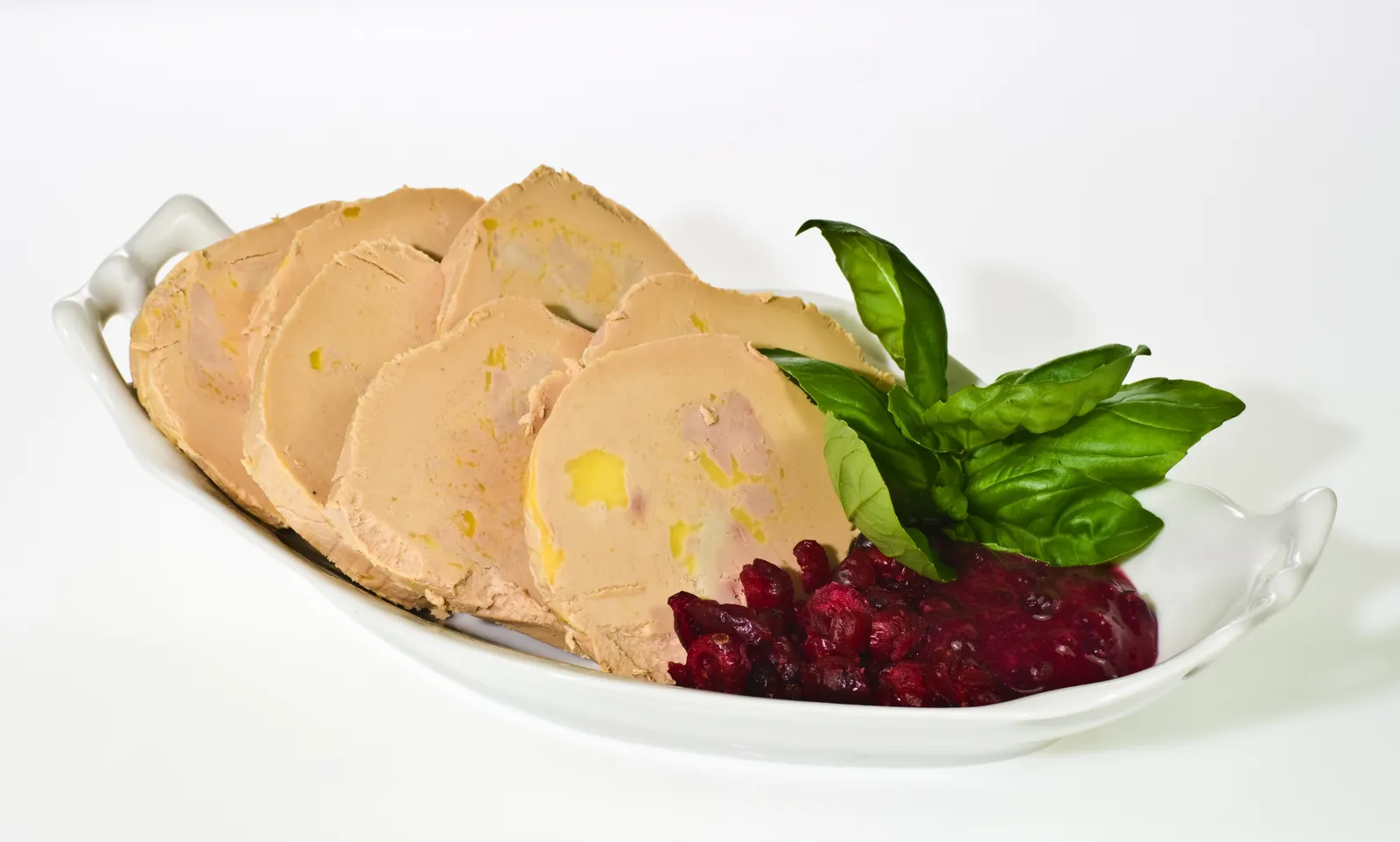
On Christmas Eve in France, foie gras turns up with its usual escort: gingerbread, fig jam and the bottle of sweet wine nobody dares replace. Yet a beer and foie gras pairing works very well, as long as you pick the right style. This guide gives you the pairings that hold up, then the rest of the festive meal course by course, in small servings, with an alcohol-free option at every step.
In short: with foie gras, look either for roundness and a touch of sweetness (a tripel, a Christmas beer) or for acidity and bubbles (a gueuze, a kriek). Serve them in tasting glasses, a few centilitres per guest. To open the starter's bottle in front of everyone, the Beer Mortar launches the cap.
Why beer works with foie gras
Foie gras is rich, melting and fatty: it coats the palate. The classic pairing shows this, since it is most often served with a sweet wine such as Sauternes or Monbazillac, sometimes with a dry white or champagne for freshness (Wikipedia, Foie gras, in French). Beer can do both:
- Echo. A round, malty, slightly sweet beer extends the soft side of foie gras, the way a sweet wine would.
- Contrast. A tart, highly carbonated beer cleans the palate between bites, the way champagne would. The bubbles do the washing-up.
- Balance. A very bitter or very roasty beer may take over. Keep it for later (see dessert).
If beer styles still feel fuzzy, our guide to beer types for beginners sorts them out in five minutes.
Which beer goes with foie gras?
Tripel: the safest pairing
Belgian tripel is a strong pale ale, spicy and fruity, effervescent, with a dry finish (BJCP, Belgian Tripel). Its roundness answers the foie gras, while its bubbles and dry finish stop it from feeling heavy. It ranges from 7.5 to 9.5% ABV according to the same source: one bottle easily serves four or five.
Gueuze: for contrast lovers
Gueuze is a blend of Belgian lambics: tart, highly carbonated and refreshing (BJCP, Gueuze). Its acidity cuts through the fat like a squeeze of lemon.
Kriek or fruit lambic: with chutney
A fruit lambic keeps the acidity of gueuze and adds a fermented fruit character, cherry for kriek or raspberry (BJCP, Fruit Lambic). If your foie gras comes with fig jam or a red-fruit compote, this is the one to open.
Christmas beer: with pan-fried foie gras
Stronger, darker and often spiced (BJCP, Winter Seasonal Beer), winter seasonal beer goes well with pan-fried foie gras or a slice of gingerbread. Our article on Christmas beer explains where it comes from and how to choose one.
A festive meal with beer, course by course
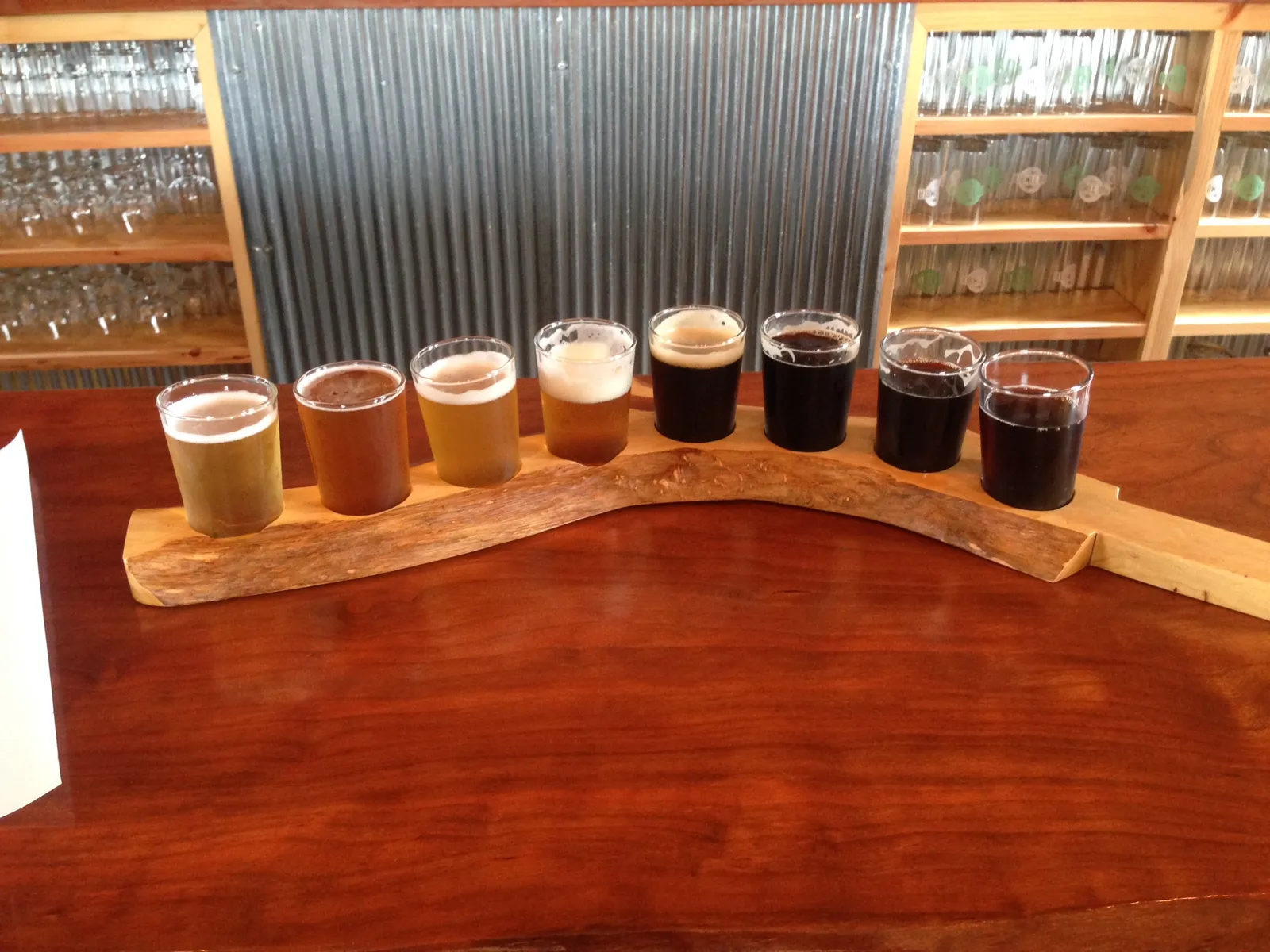
Foie gras is only the starter. If you want beer to last until dessert, follow the logic of a tasting: from lightest to most intense, and never a whole bottle per course. Here's an outline:
- Smoked salmon, oysters: a lively, tart beer such as gueuze does the same job as lemon.
- Foie gras: tripel, gueuze or kriek, depending on what it's served with (see above).
- Main course (poultry, capon, game): a Christmas beer or a malty amber ale. Beer also belongs in the casserole: our easy beer recipes give several.
- Cheese: a subject in its own right, covered in our guide to beer and cheese pairing.
- Chocolate dessert: a stout or a very roasty beer (see below).
For serving order and kit, our guide to hosting a beer tasting at home applies as is to the festive meal.
Beer and chocolate: the end of the meal
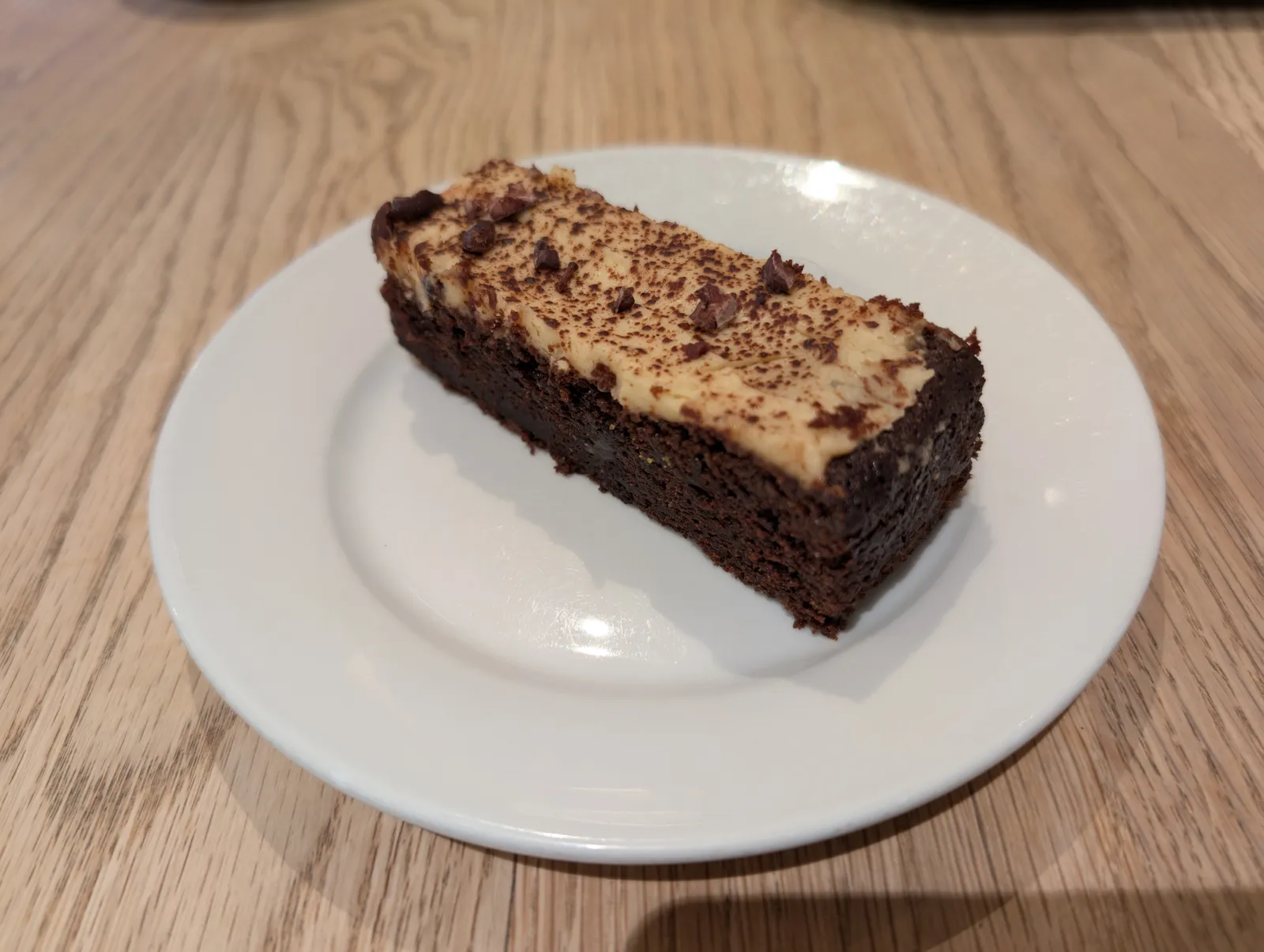
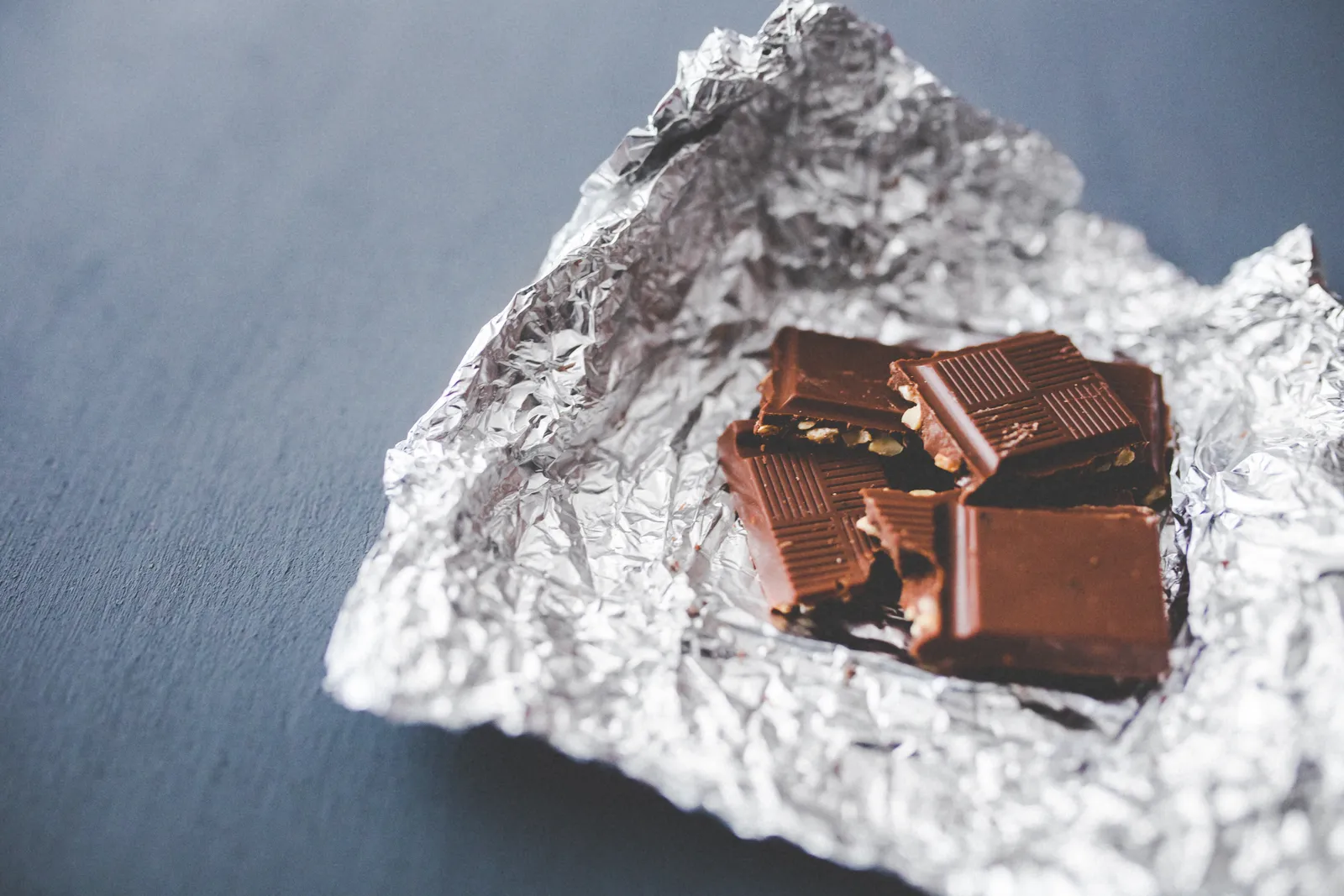
With chocolate, the logic flips: echo works better than contrast. Imperial stout, very dark, with roasted malt and dried fruit notes and a bittersweet finish (BJCP, Imperial Stout), answers a Yule log or a fondant. It ranges from 8 to 12% ABV: a splash in the glass is enough, to be sipped slowly. You can also put the stout straight into the dessert, as in the chocolate cake from our beer recipes.
Small servings, big glasses (well, small ones)
Serve each pairing in a stemmed glass or a small tasting glass, a few centilitres per person, and share one bottle among several guests. Tripels, Christmas beers and stouts are strong: the idea is to taste a pairing, not to empty a bottle per course. Our guide to which glass for which beer helps you pick the right ones.
Keep a jug of water on the table and remember the official French guideline: "no more than 2 drinks a day, and not every day" (Alcool Info Service, consumption guidelines, in French). Whoever is driving moves to the next section.
Alcohol-free beer and foie gras: the zero version
The driver, the mum-to-be or the guest who doesn't drink deserve the same pairing. Alcohol-free beer (in French) now comes in many styles: follow the same course-by-course logic with it.
- Foie gras: a fruity alcohol-free pale beer, or a sparkling alcohol-free cider for tartness.
- Main course: a maltier alcohol-free amber.
- Chocolate dessert: an alcohol-free dark beer with roasty notes.
And the alcohol-free bottle opens exactly like the others.
Open the starter's bottle with a show
Since the tripel or gueuze arrives with the foie gras, you may as well make an entrance. The Beer Mortar sits on the cap; one sharp strike on the piston and it takes off up to about 3 metres with a "PCHHHIT". A 17 cm tube in reinforced ABS plastic, internal steel spring, 120 g, no battery, no app, and it works with standard metal caps.
For something more discreet, the Capblast rests on the bottle neck: push the lever down sharply and the cap pops off. Compact and light, it slips into a pocket and works with standard caps (33 cl and 355 ml US bottles). Note that some gueuzes and Belgian beers are sealed with a cork; those open like champagne, not with a bottle opener.
Safety: a launched cap has sharp edges. Aim at a clear area, never at a person, an animal, a face or a screen, and not at the chandelier above the table. Keep bottle openers out of children's reach.
The rocket bottle opener: rest it on the cap, strike the piston, and off it goes. Free shipping in mainland France, ships within 48h.
Discover the Beer MortarAll our bottle openers are in the shop. Alcohol abuse is dangerous for your health; please drink responsibly.
Frequently asked questions
Which beer should I serve with foie gras?
A Belgian tripel for the safest pairing (round, sparkling, dry finish), a gueuze for tart contrast, a kriek if the foie gras comes with a fruit chutney, a Christmas beer with pan-fried foie gras.
Beer or wine with foie gras?
Sweet wine remains the classic pairing, but beer works on the same principles: the roundness and sweetness of a tripel echo the foie gras, while the acidity and bubbles of a gueuze balance it, as champagne would.
Which alcohol-free beer goes with foie gras?
A fruity alcohol-free pale beer or a sparkling alcohol-free cider. Then an alcohol-free amber for the main course and an alcohol-free dark beer with roasty notes for the chocolate dessert.
Which beer goes with a chocolate dessert?
A stout, especially an imperial stout, whose roasted notes and bittersweet finish answer the chocolate. It's strong: a splash in the glass is enough.
How much beer should I plan for a beer-paired festive meal?
A few centilitres per person per pairing, served in tasting glasses, with one bottle shared among several guests. Keep water on the table and an alcohol-free option for anyone driving.