Christmas beer: origins, flavour and how to choose one
Christmas beer: where the tradition comes from, what it tastes like (caramel malt, spices, dried fruit), how to read the label, serve it and pair it.
It hits the shelves before the fairy lights, sometimes before anyone has ordered the turkey. Christmas beer is a seasonal beer brewed for the holidays: rounder, often darker and stronger than your everyday lager, sometimes spiced. Here's where the tradition comes from, what flavours to expect, and how to pick yours without reading three brewing forums first.
In short: a Christmas beer is a winter beer, usually amber to dark brown, malty (caramel, toast), with dried-fruit notes and often spices (cinnamon, cloves, nutmeg, ginger). Its strength is generally above 6% ABV. To choose one, check the colour, the list of spices and the ABV on the label, then serve it in a stemmed glass, cool but not ice-cold.
Where does Christmas beer come from?
Christmas beer comes from an old habit: marking the cold season and family get-togethers with a richer beer than usual. The BJCP style guidelines, the reference used in brewing competitions, put it this way: the winter holidays are a traditional time when a beer of somewhat higher alcohol and richness is served, and many breweries offer a seasonal beer that is darker, stronger or spiced compared with their year-round range (BJCP, Winter Seasonal Beer).
In Belgium, the earliest known trace dates back to the Journal de Charleroi of 20 December 1896: two cafés advertised imported English beers for Christmas under the cry "Christmas! Christmas!". In the early 20th century, Belgian cafés were promoting "Christmas ales" brewed in Edinburgh. In France, an Alsatian brewery started the tradition in 1985, and several breweries now make a special beer for the holidays, often an amber beer flavoured with spices or citrus (French Wikipedia, Bière de saison, Bières de Noël section, in French). The same page even files Christmas beer under "October beers". So it isn't early: it simply runs on its own calendar.
If you like this kind of backstory, the object that seals the bottle has one too: see our history of the beer cap.
What does Christmas beer taste like?
Christmas beer tastes malty, spicy and fruity, with bitterness kept in the background. The BJCP describes a beer that is medium amber to very dark brown, medium to full-bodied, often with a warming alcohol finish. Its tasting notes cover four families of flavours:
- Malt: caramel, toast, nuts, sometimes chocolate. This is the base, and it gives the copper-to-brown colour.
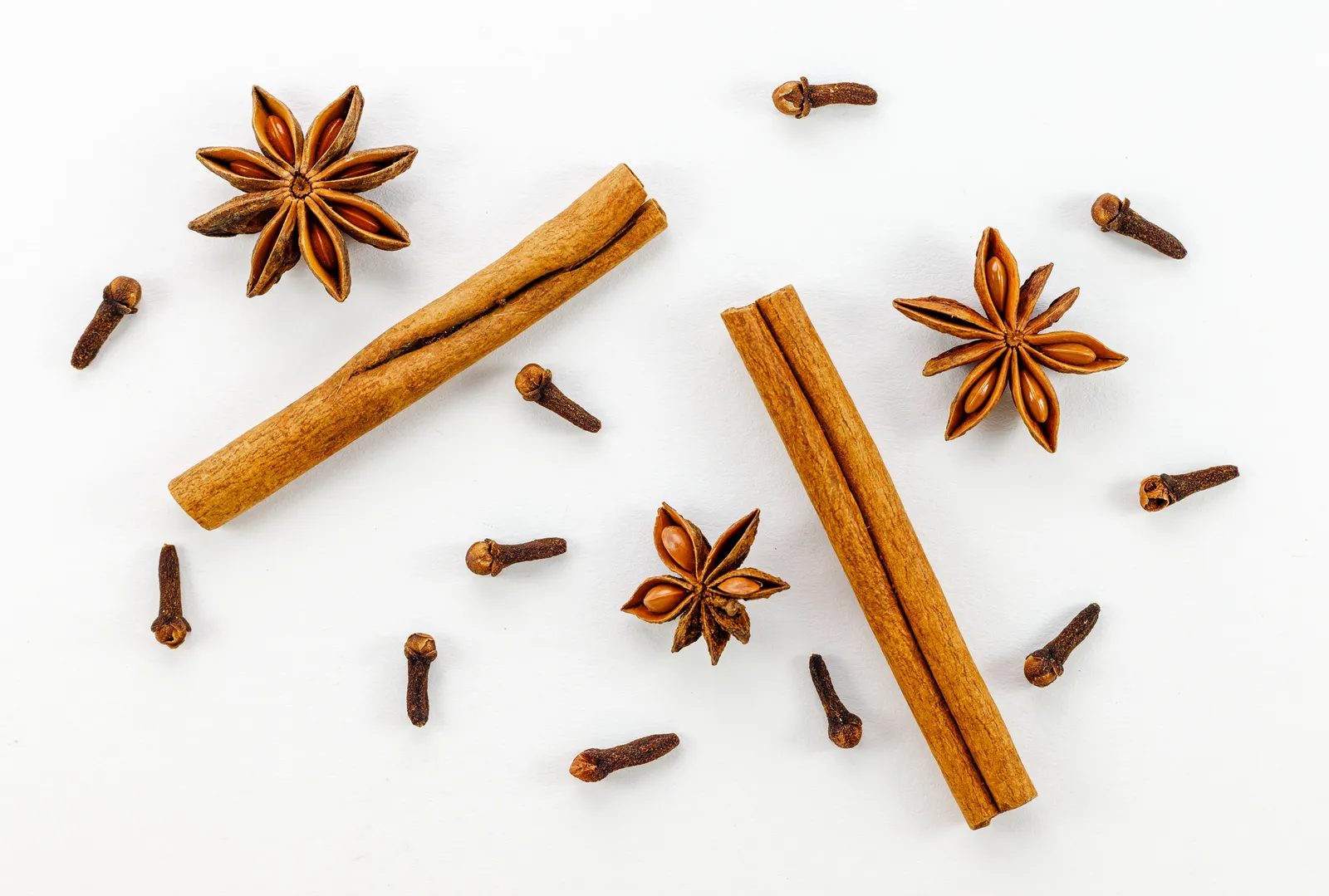
- Spices: allspice, nutmeg, cinnamon, cloves, ginger. Brewers can also skip them or invent their own blend.
- Dried fruit and peel: raisin, plum, fig, cherry, orange or lemon peel.
- Sugars: molasses, honey, brown sugar or maple syrup, which round the beer out.
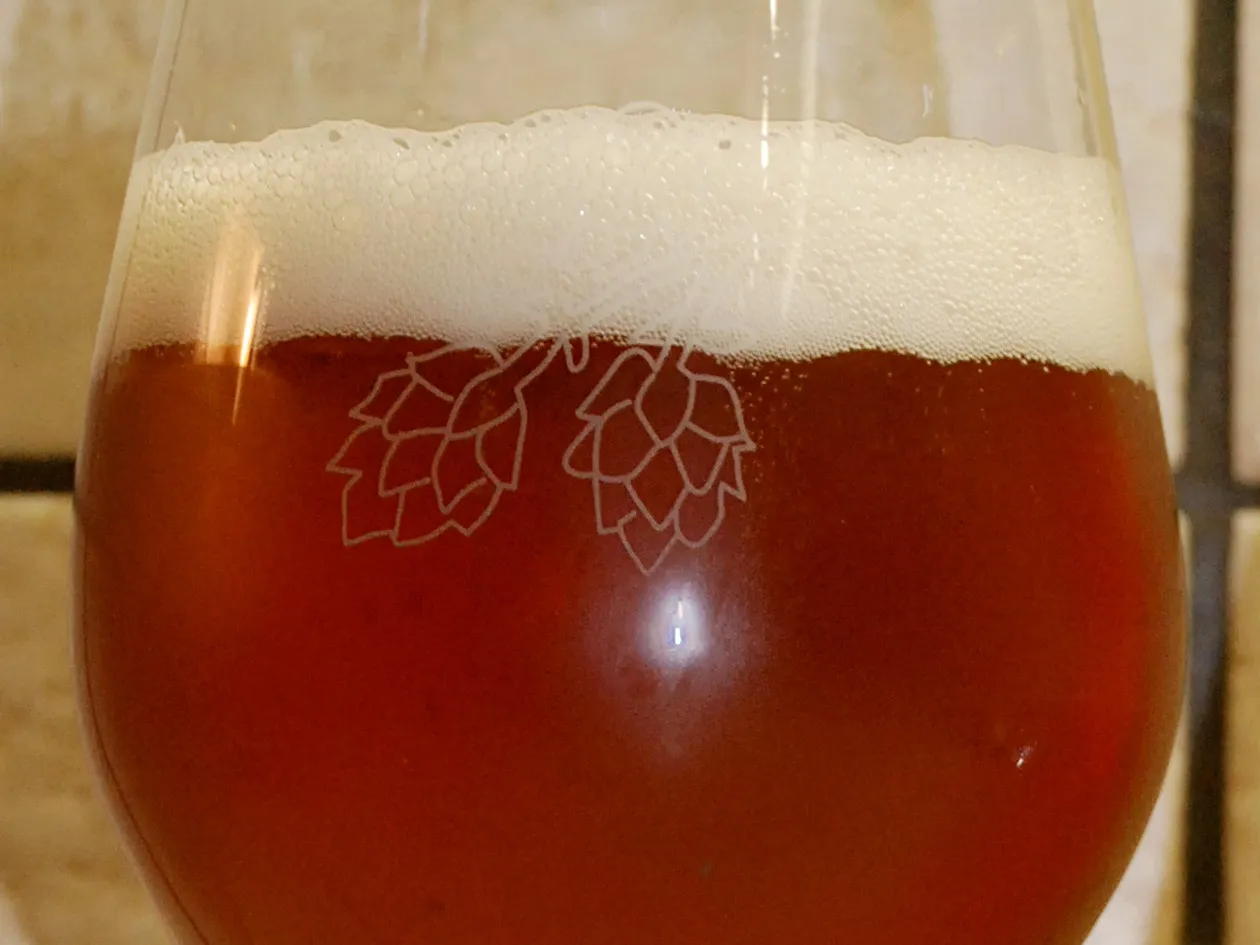
The same guide lists Christmas cookies, gingerbread, English Christmas pudding and mulling spices as sensory references. It also says the spices should support the beer, not overwhelm it: a good Christmas beer shouldn't taste like a pine-scented air freshener.
Spiced or not: two schools
Not every Christmas beer is spiced. According to the BJCP, spiced versions are an American or Belgian tradition, whereas English and German breweries traditionally don't use spices in their beer. Their winter beers lean on malt, body and strength instead. Most are top-fermented ales, but strong dark lagers exist too. To place these families, our guide to beer types covers the basics.
How do you choose a Christmas beer?
Choose your Christmas beer using three clues on the label: colour, ingredients and ABV. Our article on reading a beer label explains each item.
- 1Colour. Amber: more caramel and fruit, an easier starting point. Brown or almost black: more toast, dried fruit, sometimes chocolate.
- 2Ingredients. The presence (or absence) of spices, peel or honey tells you whether you're heading for a "gingerbread" beer or a simply malty one. If you dislike cinnamon, this is where you avoid it.
- 3ABV. The BJCP notes it is generally above 6%. That changes how you serve it: small glasses, and one bottle to share rather than one each.
To compare several Christmas beers with friends, pour three or four in small amounts, from the palest to the darkest. The method is in our guide to hosting a beer tasting at home. Always keep an alcohol-free drink on the table.
How do you serve Christmas beer?
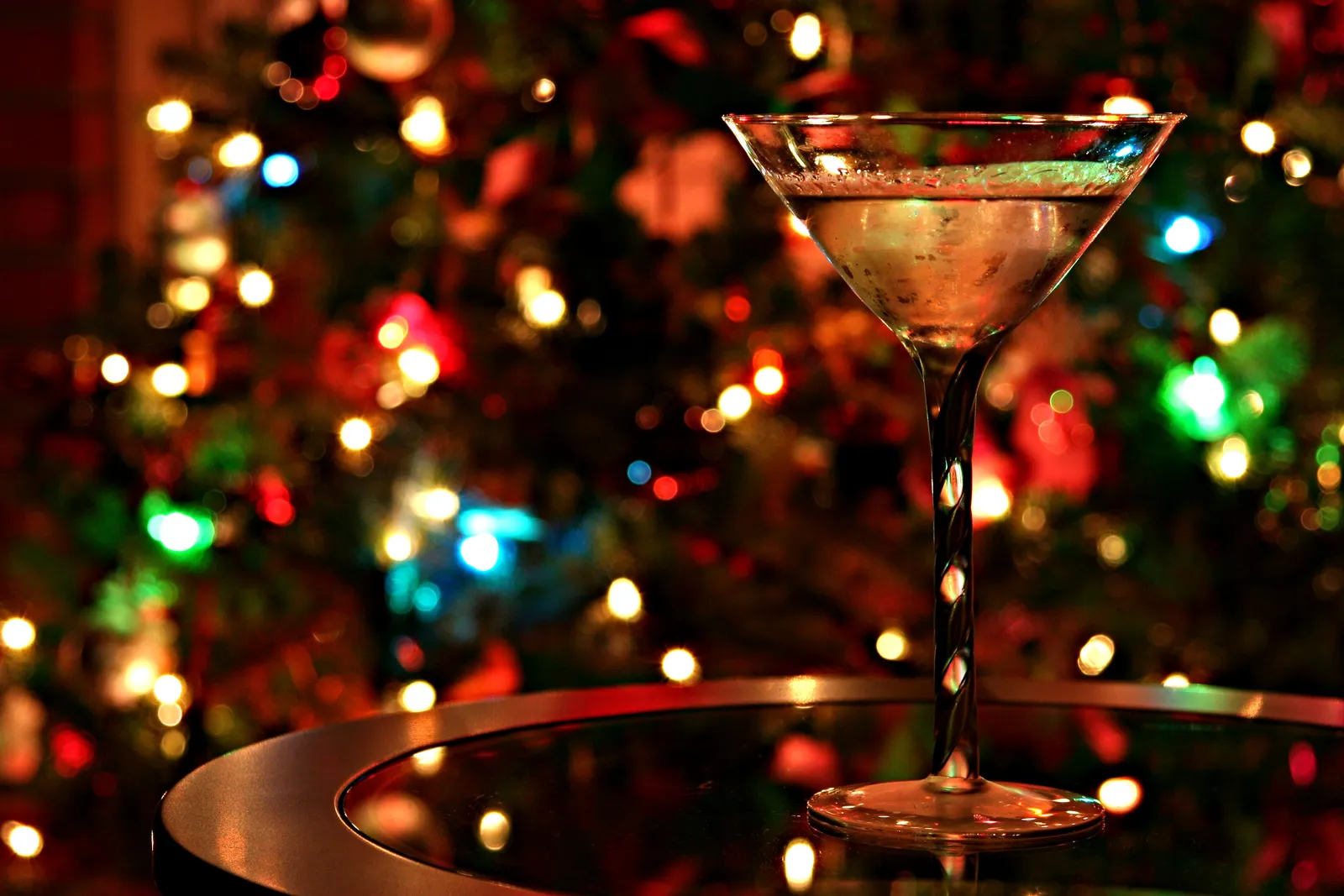
Serve it cool but not ice-cold, in a glass that holds the aromas. Intense cold mutes the spices and the malt, which is the whole point of a Christmas beer. A stemmed glass that narrows at the rim, such as a tulip or a chalice, channels the aromas towards your nose: our article on which glass for which beer explains why.
If you buy several in November to last until Christmas Eve, store them upright, away from light and somewhere cool: the right habits are in our guide to storing beer.
What to serve it with?
- Strong cheeses: a round, malty beer stands up to washed-rind cheeses and blues. See our beer and cheese pairings.
- Slow-cooked dishes: carbonnade, beef cheeks, game. The beer can even go into the recipe, as in our recipes with beer.
- Spiced desserts: gingerbread, cinnamon biscuits, dried-fruit cake. The plate echoes the flavours in the glass.
The last detail: opening it
If your Christmas beer has a crown cap (not a cork), the Beer Mortar takes care of it: this rocket bottle opener in reinforced ABS plastic sits on the cap, you strike the plunger with your palm and the internal spring launches the cap about 3 metres. 17 cm, 120 g, no battery, 2-year warranty. Always aim upwards, in a clear space, away from the tree, people and pets.
In pistol form, the Capgun works on the same principle: rest the barrel on the cap, squeeze the trigger and the spring sends the cap flying. It comes in grey, black, red and blue, though the product page doesn't yet let you choose the colour. Same rule: towards a high ceiling or the sky, never at anyone. And if the bottle is corked, keep the corkscrew handy.
The rocket bottle opener that sends your Christmas beer's cap flying. Free shipping in mainland France, ships within 48h.
Discover the Beer MortarSelling alcohol to minors is prohibited in France. Alcohol abuse is dangerous for your health; please drink responsibly.
Frequently asked questions
What is a Christmas beer?
It's a seasonal beer brewed for the end-of-year holidays: usually amber to dark brown, malty (caramel, toast), with dried-fruit notes and often spices such as cinnamon, cloves or nutmeg. Its strength is generally above 6% ABV.
Why do brewers make Christmas beer?
Because the winter holidays have traditionally been a time to serve a richer, slightly stronger beer than usual. Many breweries release a darker, stronger or spiced beer for the occasion, compared with their year-round range.
Where does Belgian Christmas beer come from?
The earliest known trace is in the Journal de Charleroi of 20 December 1896, where cafés advertised imported English beers for Christmas. In the early 20th century, Christmas ales brewed in Edinburgh were sold in Belgian cafés.
Is Christmas beer always spiced?
No. Spiced versions mainly belong to the Belgian and American traditions. English and German breweries traditionally don't add spices: their winter beers rely on malt, body and strength. The ingredient list on the label will tell you.
What temperature should Christmas beer be served at?
Cool but not ice-cold: intense cold mutes the malt and spice aromas. Take it out of the fridge a little before serving and pour it into a stemmed glass such as a tulip or chalice.